Easy Creamy Butternut Squash Pasta Sauce
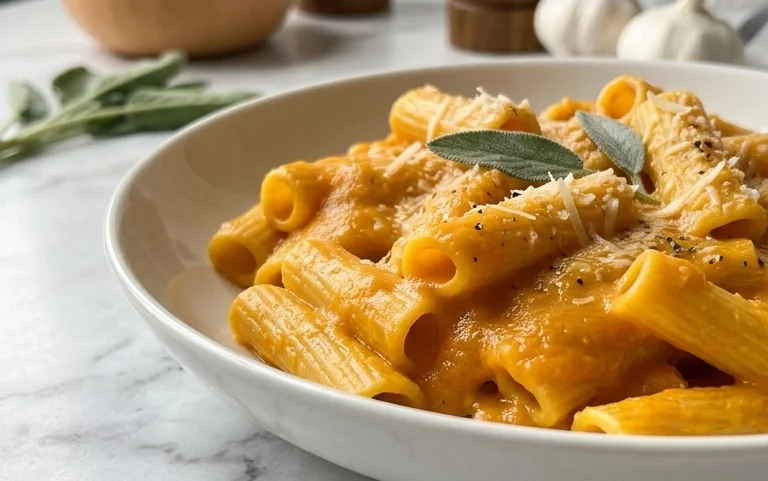
Butternut Squash Pasta Sauce is the cozy hug your taste buds have been craving, and trust me, once you try this recipe, it’s going to become a staple in your kitchen. There’s just something incredibly comforting and deeply satisfying about this velvety smooth sauce, especially as the weather cools. People adore it because it strikes that perfect balance between sweet and savory, offering a sophisticated yet approachable flavor profile that appeals to everyone at the table. What truly makes this butternut squash pasta sauce special is its vibrant color, its naturally creamy texture achieved without a drop of heavy cream, and the beautiful depth of flavor that comes from simple, wholesome ingredients. It’s a testament to how a few humble vegetables can transform into something truly magical, making pasta night an occasion to look forward to. I can’t wait for you to experience this deliciousness!
Butternut Squash Pasta Sauce
This butternut squash pasta sauce is a delightful and surprisingly simple way to bring a taste of autumn to your table any time of year. It’s incredibly creamy and rich, with a subtle sweetness from the squash that pairs beautifully with savory notes. The best part? It uses a bag of frozen diced butternut squash, making it a weeknight-friendly champion. You get all the wonderful flavor and texture without the hassle of peeling and cubing fresh squash. I love how versatile this sauce is; it’s perfect tossed with your favorite pasta, drizzled over roasted vegetables, or even used as a base for a hearty soup. Let’s get cooking!
Ingredients:
- 16 oz bag of frozen diced butternut squash
- 1.5 cups fresh chopped tomatoes
- 1/2 yellow onion, finely chopped
- 2 tbsp olive oil
- 1 tsp salt
- 1/4 tsp black pepper
- 1/2 tsp dried thyme
- 1 lb pasta (your favorite shape!)
- 1/3 cup pasta water reserved from cooked pasta
Cooking Instructions
Let’s break down how to make this delicious butternut squash pasta sauce. It’s a straightforward process that yields impressive results.
Phase 1: Sautéing the Aromatics
1. Begin by heating the 2 tablespoons of olive oil in a large pot or Dutch oven over medium heat. Once the oil is shimmering, add the finely chopped half yellow onion. We want to sauté the onion until it becomes translucent and begins to soften, which usually takes about 5-7 minutes. This process of gently cooking the onion releases its natural sweetness and forms the flavor base for our sauce. Don’t rush this step; allowing the onion to soften properly will prevent any harsh oniony bite in the final sauce. Stir occasionally to ensure even cooking.
Phase 2: Building the Sauce Base
2. Once the onion is softened and fragrant, add the 1.5 cups of fresh chopped tomatoes to the pot. Stir them in with the onions and let them cook for about 5 minutes, or until they start to break down and release their juices. The tomatoes will add a touch of acidity and freshness to the sauce, balancing the sweetness of the squash. Next, sprinkle in the 1 teaspoon of salt, 1/4 teaspoon of black pepper, and 1/2 teaspoon of dried thyme. Stir everything together, allowing the herbs and seasonings to meld with the onions and tomatoes for another minute. The aroma at this stage is already quite inviting!
Phase 3: Simmering the Squash
3. Now it’s time to introduce the star of our sauce: the 16 oz bag of frozen diced butternut squash. Add the frozen squash directly into the pot with the sautéed onions and tomatoes. Stir everything to combine. We’re going to add just enough liquid to help the squash cook down and become tender. Pour in about 1 cup of water or vegetable broth (you can adjust this slightly if needed). Bring the mixture to a simmer, then reduce the heat to low, cover the pot, and let it cook for about 15-20 minutes, or until the butternut squash is fork-tender and easily pierced. Stir occasionally to prevent sticking. The frozen squash will cook down beautifully, softening and releasing its creamy texture.
Phase 4: Achieving Creaminess and Blending
4. Once the butternut squash is tender, it’s time to create that signature smooth and creamy sauce. You have a couple of options here depending on your preferred texture. For a rustic, slightly chunky sauce, you can use an immersion blender directly in the pot and blend until you reach your desired consistency. Be careful of splashing hot liquid! Alternatively, you can carefully transfer the contents of the pot to a regular blender in batches (do not fill the blender more than halfway and vent the lid slightly by removing the small center cap and covering it with a towel to allow steam to escape). Blend until completely smooth and creamy. If you don’t have a blender, you can also mash the squash really well with the back of a spoon or a potato masher, though it won’t be as uniformly smooth.
5. After blending, return the smooth sauce to the pot if you used a regular blender. Now, we’ll add the final touches to bring it all together. Stir in the 1/3 cup of reserved pasta water. This starchy water is magic! It helps to emulsify the sauce, making it even more velvety and helping it cling beautifully to your pasta. Cook the sauce for another 2-3 minutes over low heat, stirring constantly, until it’s heated through and has a luxurious consistency. Taste and adjust seasonings if needed, adding a pinch more salt or pepper if you think it requires it.
Phase 5: Combining with Pasta
6. While your sauce is simmering, cook your 1 lb of pasta according to package directions in a large pot of salted boiling water. Before draining the pasta, make sure to reserve about 1/3 cup of the starchy cooking water – this is crucial for achieving the perfect sauce consistency as mentioned in step 5. Drain the pasta well. Add the drained pasta directly into the pot with the butternut squash sauce. Toss gently to coat every strand of pasta evenly. If the sauce seems a little too thick for your liking, you can add a tablespoon or two more of the reserved pasta water until you achieve your desired texture. Serve immediately, perhaps with a sprinkle of Parmesan cheese or fresh parsley if you like. Enjoy this comforting and wholesome dish!
Conclusion:
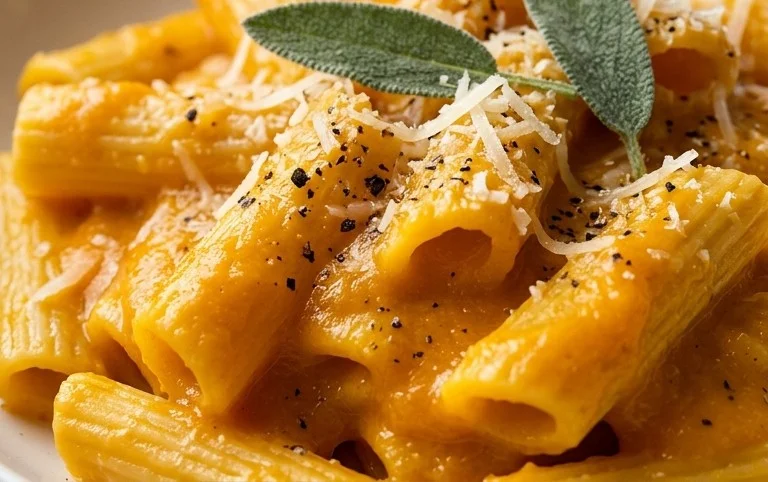
And there you have it! This creamy, dreamy butternut squash pasta sauce is a true game-changer for weeknight dinners and elegant gatherings alike. Its vibrant color, naturally sweet flavor profile, and incredibly smooth texture make it a wonderfully versatile and satisfying dish. It’s proof that healthy eating can be utterly delicious and surprisingly simple to achieve. I truly hope you’ll give this butternut squash pasta sauce a try. It’s become a staple in my kitchen, and I’m confident it will become one in yours too.
For serving, this sauce is fantastic tossed with your favorite pasta shape – think rigatoni, penne, or even a delicate fettuccine. For added flair, consider garnishing with toasted pumpkin seeds for a delightful crunch, a sprinkle of fresh sage or rosemary, and a drizzle of good quality olive oil. If you’re feeling adventurous with variations, try adding a pinch of nutmeg for warmth, a touch of smoked paprika for depth, or even some roasted garlic for an extra layer of savory goodness. Don’t be afraid to experiment and make it your own!
Frequently Asked Questions:
Can I make this butternut squash pasta sauce ahead of time?
Absolutely! This sauce reheats beautifully, making it perfect for meal prep. You can store it in an airtight container in the refrigerator for up to 3-4 days. When ready to serve, gently reheat it on the stovetop over low heat, adding a splash of water or vegetable broth if it has thickened too much.
What kind of pasta works best with this sauce?
While it’s delicious with almost any pasta, heartier shapes that have nooks and crannies to hold the sauce, like rigatoni, fusilli, or penne, are excellent choices. However, don’t hesitate to pair it with delicate strands like angel hair or even gnocchi for a truly decadent experience.
Can I freeze this butternut squash pasta sauce?
Yes, you can! Once cooled completely, store the sauce in freezer-safe containers or bags. It should keep well in the freezer for up to 2-3 months. Thaw it overnight in the refrigerator and then gently reheat on the stovetop.
Butternut Squash Pasta Sauce
A creamy and flavorful vegetarian pasta sauce made with roasted butternut squash, tomatoes, and herbs.
Ingredients
-
16 oz bag of frozen diced butternut squash
-
1.5 cups fresh chopped tomatoes
-
1/2 yellow onion, chopped
-
2 tbsp olive oil
-
1 tsp salt
-
1/4 tsp black pepper
-
1/2 tsp dried thyme
-
1 lb pasta
-
1/3 cup pasta water reserved from cooked pasta
Instructions
-
Step 1
Preheat oven to 400°F (200°C). Toss the frozen diced butternut squash with 1 tablespoon of olive oil, salt, pepper, and thyme on a baking sheet. Spread in a single layer. -
Step 2
Roast the butternut squash for 25-30 minutes, or until tender and slightly caramelized. While the squash is roasting, cook the pasta according to package directions. Reserve 1/3 cup of pasta water before draining. -
Step 3
In a large skillet, heat the remaining 1 tablespoon of olive oil over medium heat. Add the chopped yellow onion and sauté until softened and translucent, about 5-7 minutes. -
Step 4
Add the roasted butternut squash and fresh chopped tomatoes to the skillet with the onions. Cook for another 5 minutes, stirring occasionally, until the tomatoes have softened. -
Step 5
Carefully transfer the contents of the skillet to a blender or food processor. Add the reserved pasta water. Blend until smooth and creamy. -
Step 6
Return the sauce to the skillet. Heat gently over low heat until warmed through. Season with additional salt and pepper to taste if needed. -
Step 7
Toss the cooked pasta with the butternut squash sauce. Serve immediately.
Important Information
Nutrition Facts (Per Serving)
It is important to consider this information as approximate and not to use it as definitive health advice.
Allergy Information
Please check ingredients for potential allergens and consult a health professional if in doubt.